A good leather sofa is one of the few pieces of furniture that gets better with age, as long as it's looked after. In Singapore that means living with two extremes: humid air for most of the year, and cool, dry air whenever the aircon is on. Neither is a problem with a little routine care.
Top-grain, full-grain and why the finish matters
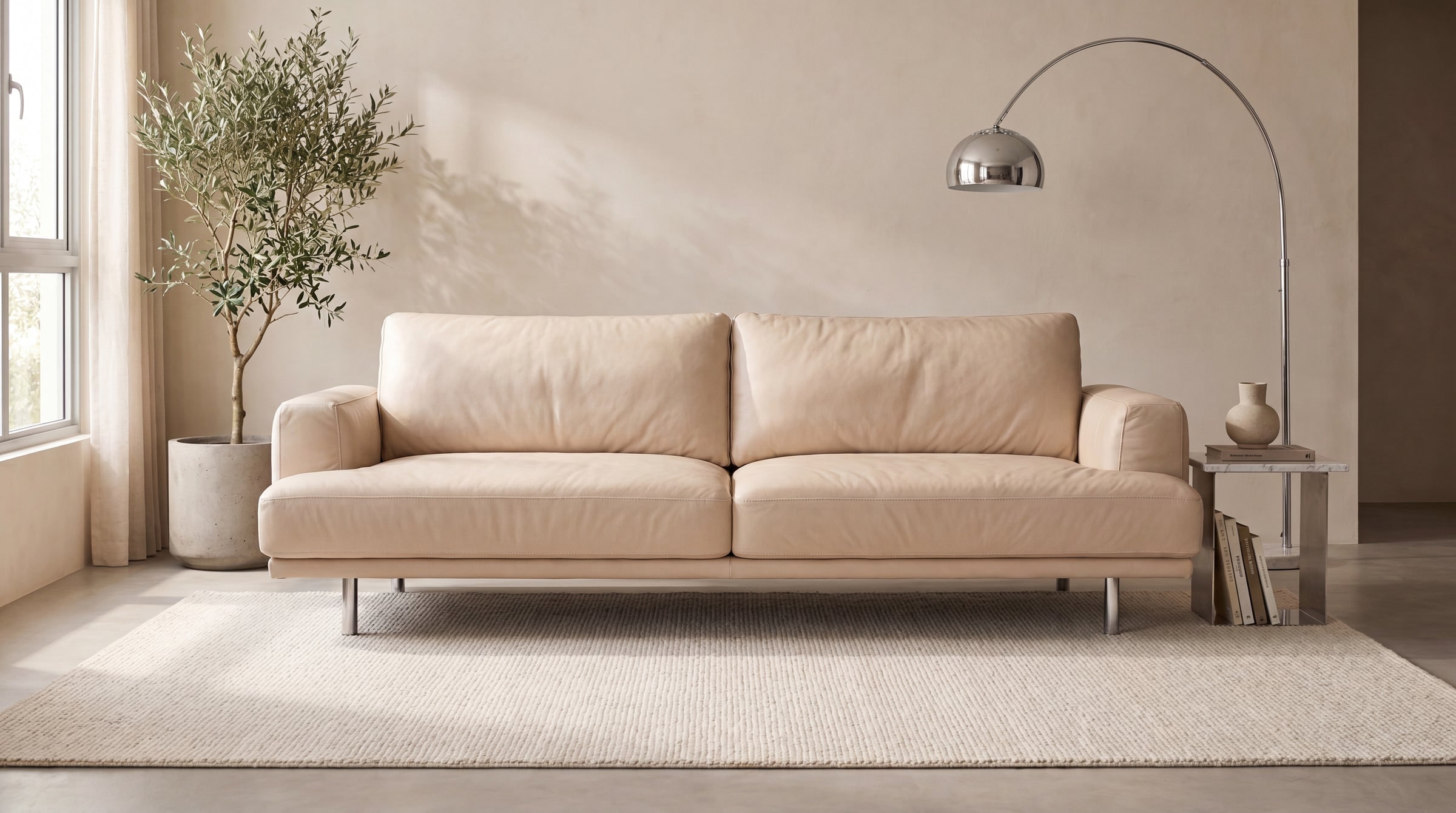
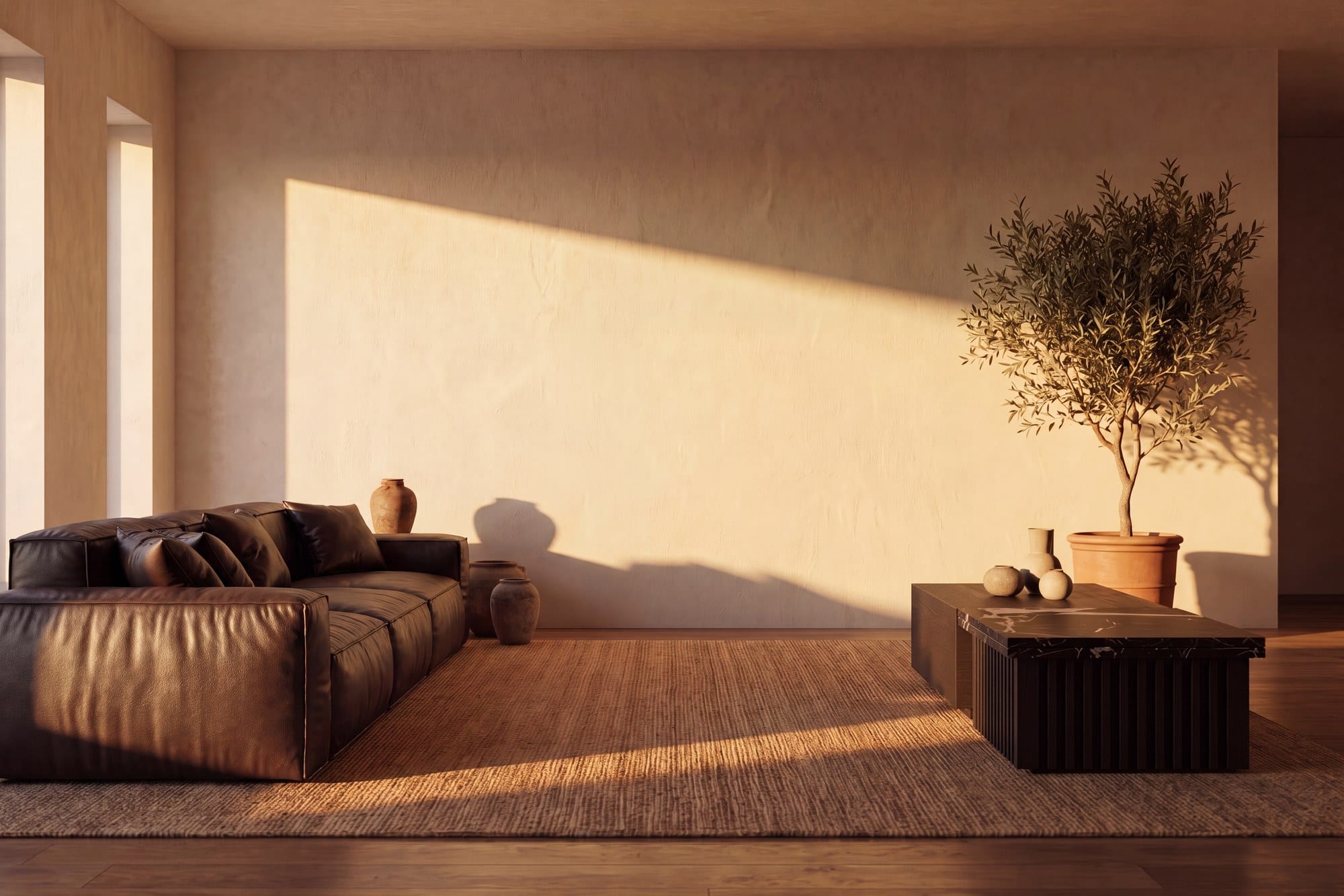
Most of our leather sofas, like the Nari, are upholstered in top-grain leather. That's the outer layer of the hide, lightly sanded for a more even surface and usually finished with a protective coating. That finish is what lets a spill sit on the surface for a moment instead of soaking straight in. A few pieces, such as the Tafon, use full-grain leather, which keeps the hide's natural surface intact and tends to show more character as it ages.
The routine below suits both. Where your piece's care label says something different, follow the label.
The weekly routine
- Dust with a soft, dry cloth. Microfibre is ideal; dust is mildly abrasive and dulls the finish over time.
- Vacuum the crevices. Run a soft brush attachment along the seams and between the cushions, where crumbs and grit collect.
- Wipe where people rest. Headrests and armrests pick up body oils, sweat and hair products, which can darken leather over time. Wipe them with a slightly damp cloth, then dry them with a clean one.
- Deal with spills straight away. Blot with a dry cloth rather than rubbing, follow with a slightly damp cloth if needed, then dry the area. Never leave leather wet.
Conditioning: about twice a year
Leather is a natural material, and like skin it can dry out. A conditioner keeps it supple and helps prevent cracking. For most of our leather pieces we recommend conditioning about every six months, which is a sensible rhythm for most homes.
Choose a conditioner made for furniture leather and test it on a hidden spot first. Then dust the sofa, apply a thin layer with a soft cloth, let it absorb and buff off the excess. More isn't better: too much can leave the surface tacky.
Sun, aircon and Singapore's humidity
- Direct sunlight fades leather and dries it out. Keep the sofa out of the patch where the afternoon sun falls, or draw the curtains during the hottest hours.
- Aircon vents and heat. A sofa sitting in the aircon's airflow, or beside a heat source, dries out faster. Angle the vent or position the sofa so the air isn't blowing straight onto the leather.
- Humidity and still air. In damp, still air, leather can grow mould, especially where dust and body oils build up. Leave a few centimetres between the sofa and the wall, and dry the air with a dehumidifier or your aircon's dry mode on wet days. Our guide to preventing mould on furniture covers what to do if you spot it.
Real leather copes with our climate better than many people expect; still air, strong sun and neglect cause most of the trouble. Choosing a sofa? Our fabric vs leather comparison covers how each lives in a Singapore home.
Ink, oil and other marks
- Water and drinks. Blot straight away, then dry the area with a soft cloth.
- Oil and grease. Blot with a dry cloth and don't add water, which can spread it. Small oil marks sometimes fade on their own over a few days; for a bigger one, a dusting of cornflour left for a few hours can draw some out.
- Ink. Blot gently and never rub. Skip home remedies like rubbing alcohol or hairspray, which can lift the finish along with the ink. Call a leather specialist, ideally before it settles.
- Food and sticky marks. Lift off what you can, wipe with a slightly damp cloth, then dry.
If a damp cloth won't shift a mark, a gentle cleaner made for leather is the next step, spot-tested first, and only if your piece's care label allows it. For some of our leather pieces our advice is no chemical cleaners at all, so if you're not sure which applies to yours, ask us or a leather specialist before trying anything stronger.
Scratches and scuffs
Top-grain leather is hard-wearing, but it isn't scratch-proof. Keys in back pockets, belt buckles, toys and pet claws are the usual culprits, which is why we advise keeping sharp objects away.
On softer, more natural-finish leathers, light surface scuffs can sometimes be softened by rubbing gently with a clean fingertip. Scratches that cut through the finish need a colour-matched repair kit or, better, a professional leather repairer.
What not to use
Patina: the good kind of change
Real leather changes with use. It softens, your favourite spots take on a slightly different sheen, and natural markings in the hide become more noticeable. That's patina, and it's part of what makes a leather sofa yours. Seat cushions also settle and show gentle creasing where you sit, which is normal for natural leather.
What isn't patina: cracking, or a surface that looks dry and stiff. That usually means the leather has dried out, so keep up the conditioning and keep it out of the sun. If you see something that looks like a fault in the piece itself, tell us. Every piece comes with a 2-year warranty against manufacturing defects under normal use, though it doesn't cover normal wear and tear or damage from improper care. For the rest of your home, see our guides to fabric sofa care and stone tables.
See the Nesi top-grain leather lounge chair →Browse our sofas →Leather sofa care: common questions
- How often should I condition a leather sofa?
- About every six months, which is what we recommend for most of our leather pieces. Use a conditioner made for furniture leather, tested on a hidden spot first.
- How do I clean a leather sofa at home?
- Dust it weekly with a soft, dry cloth. Blot spills straight away, wipe with a slightly damp cloth if needed, then dry the area. Avoid household cleaners.
- Can I use baby wipes on a leather sofa?
- It's best not to. Many contain ingredients that can dry out or damage the finish over time. A slightly damp cloth is gentler.
- Is a leather sofa OK in Singapore's humidity?
- Yes, with airflow and a little care. Keep a gap from the wall, dry the air on wet days and wipe it regularly to keep mould away.
- How do I fix a scratch on a leather sofa?
- On softer leathers, light scuffs can sometimes be softened by rubbing gently with a clean fingertip. Deeper scratches through the finish need a colour-matched repair kit or a professional.